Service
Trenching & Excavation
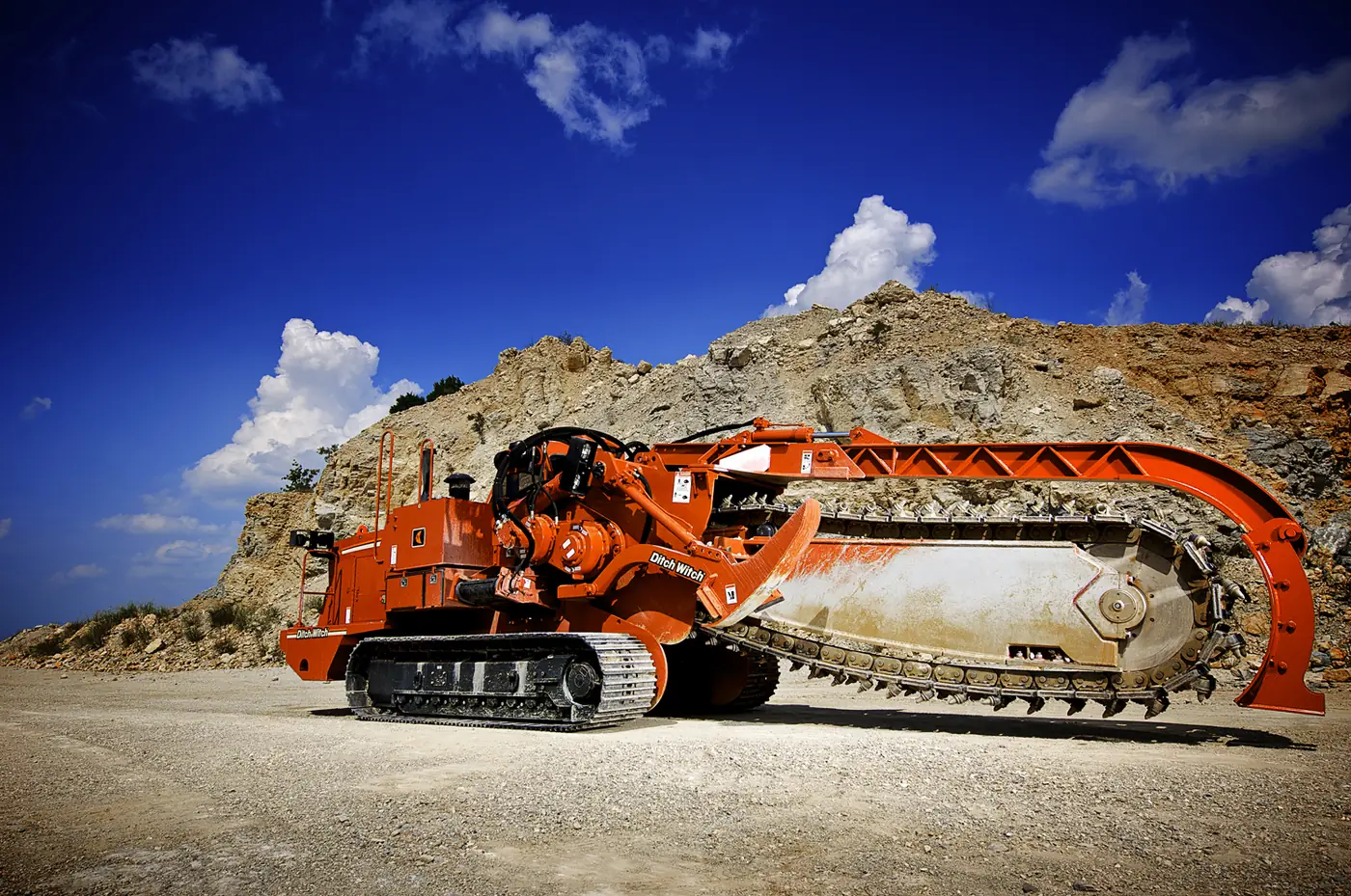
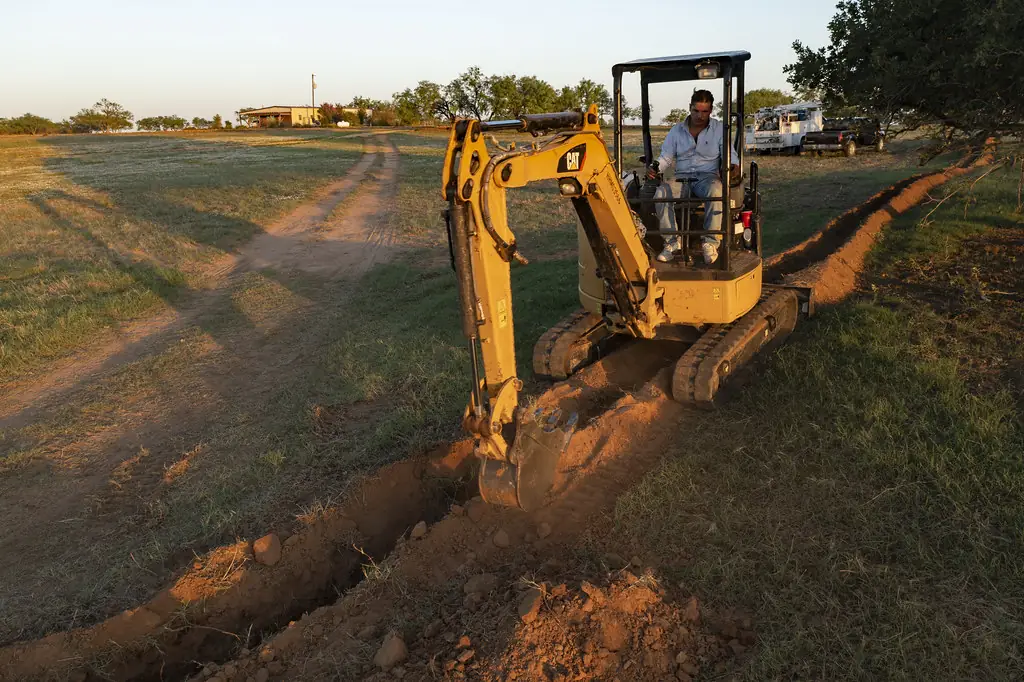
Trenching creates an open slit in the ground for burying pipe, utility lines and drainage. Once the line is placed, the trench is back-filled and compacted.
Trenching & Excavation from 406 Underground
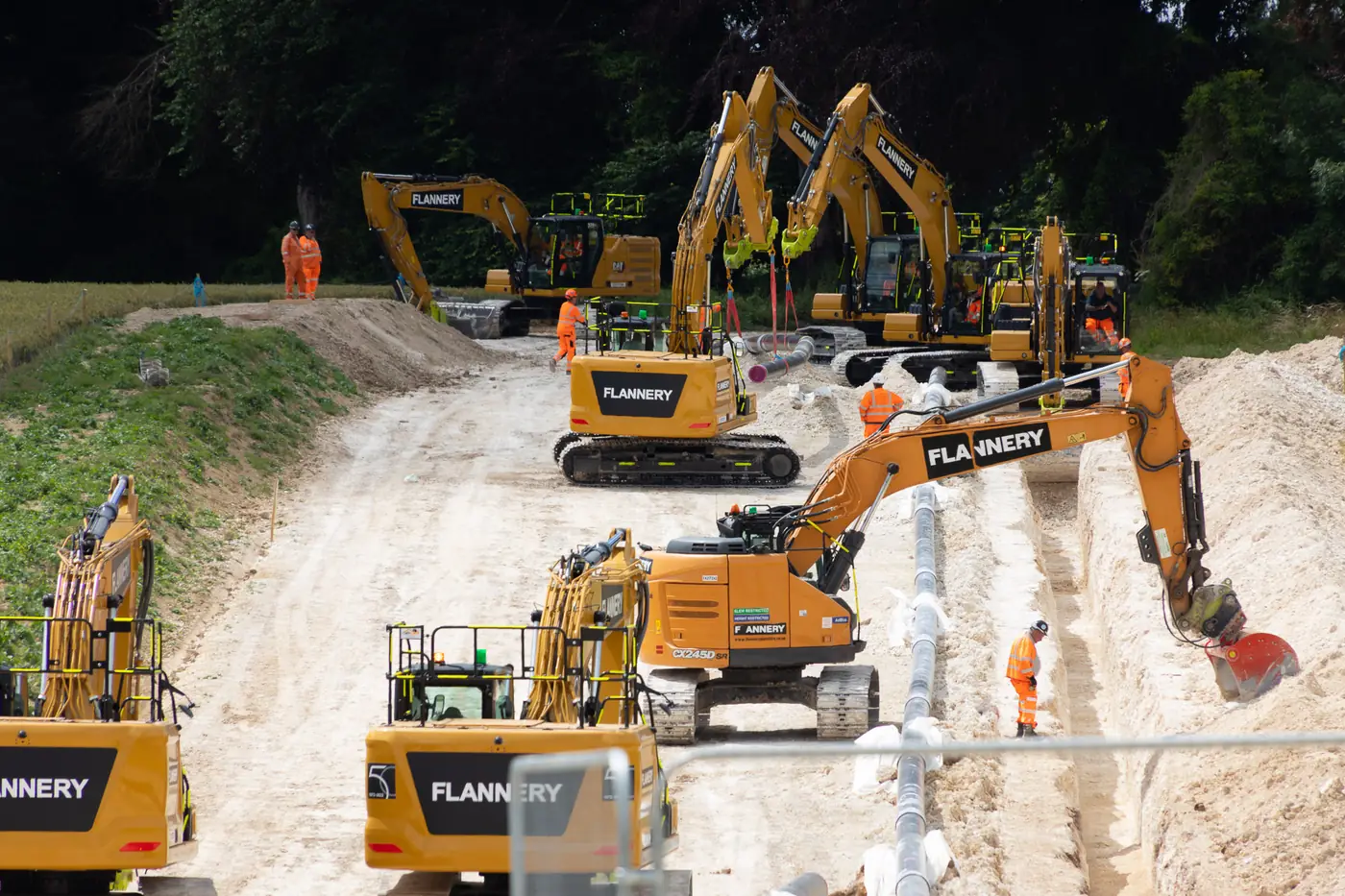
Trenching is efficient and cost-effective when a project calls for multiple pipes or the area is open — along a road, in a new construction zone or through a field.
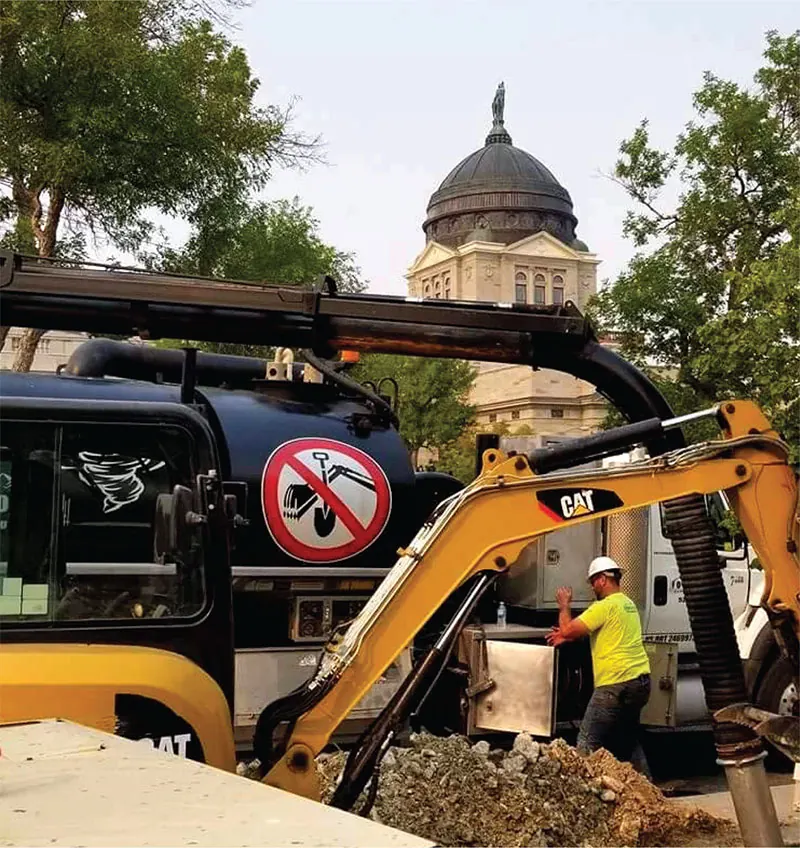
Where existing utilities are close, we pair trenching with hydro excavation so lines are exposed without being damaged.
What we do
- Utility trenching for water, sewer, power, gas and communications
- Joint trench for multiple utilities
- Drainage and culvert work
- Excavation for vaults, pedestals and pits
- Back-fill and compaction
- Hydro-excavated trenching near existing lines
How it works
Locate
Existing utilities are located and potholed where the trench crosses or parallels them.
Dig
The trench is cut to grade and depth for the product.
Place
Pipe, conduit or cable is bedded and placed.
Back-fill
Material goes back in and the surface is restored.
Why it pays
- Best for multiple pipes in one trench
- Simple, inspectable installation
- Cost-effective in open ground
“The crews not only provide accurate bores, but also take responsibility for their actions and clean up after themselves without being asked when leaving a jobsite. Four O Six is also proactive in locating utility crossings… Montana owned and operated, this company has a family touch to it and it shows in their desire to do a good job at a minimal cost.”
— Rob Hanson, PE, Contractor for NorthWestern EnergyQuestions
How deep do utility trenches need to be?
It depends on the utility, the owner's specifications and frost depth. We build to the engineer's or utility's spec.
Can you work near existing lines?
Yes. Hydro excavation is used to expose existing lines safely before and during trenching.
Related
Often paired with
Got a bore, a route or a problem job?
Call Beau directly — or send the details and he'll get back to you.